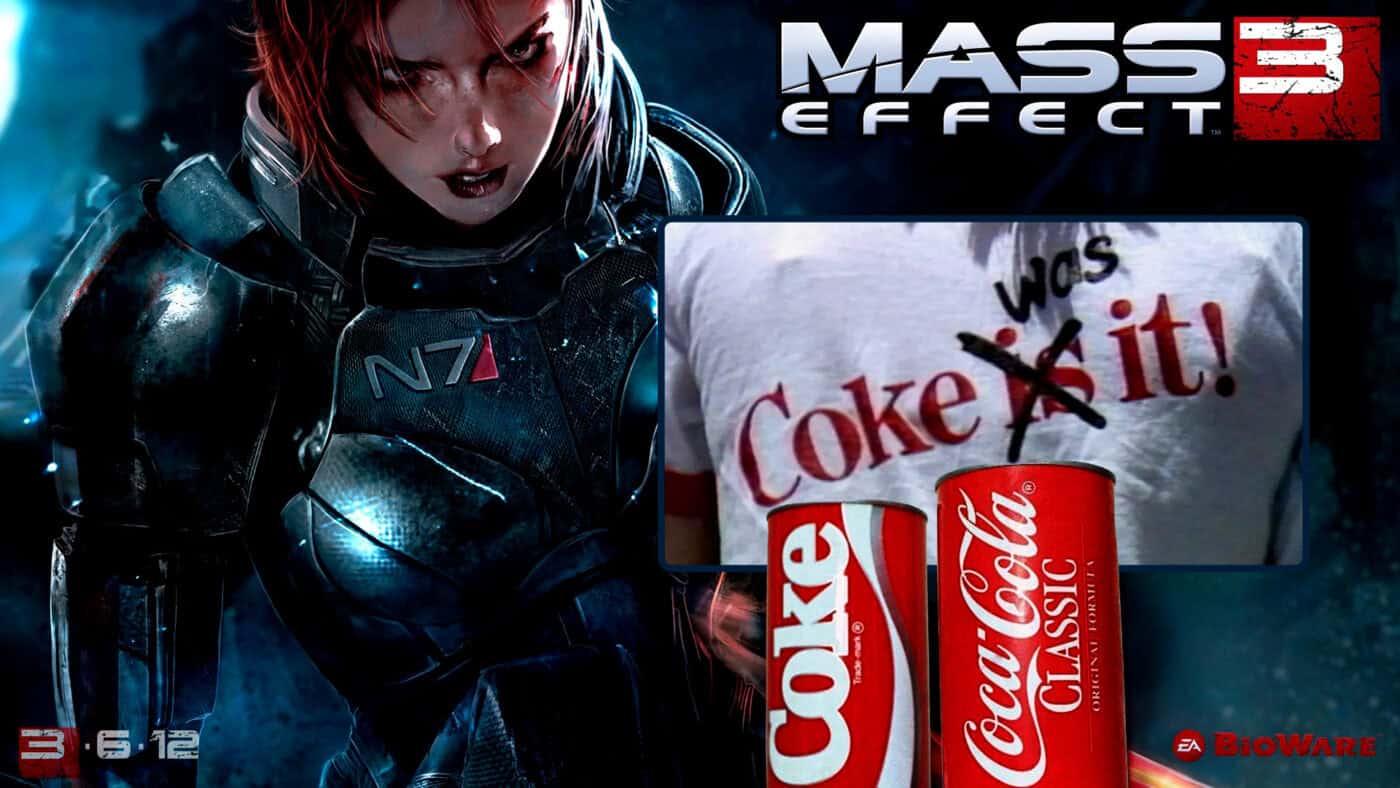
While digging through some old files recently, I stumbled across a blog post I wrote many years ago about the infamous ending to Mass Effect 3.
At the time, the controversy had the gaming world in an uproar. Fans who had invested years in the series felt that the finale ignored the very choices and storylines that made the franchise beloved in the first place.
Reading it again now, I was struck by something unexpected:
The argument feels even more relevant today than it did then.
In the years since, we’ve seen countless brands—across gaming, entertainment, and beyond—repeat the same mistake. Companies build passionate audiences, cultivate trust, and then somehow convince themselves that the very people who made their success possible can be safely ignored.
History suggests otherwise.
In light of that, and its continued relevance today, I’ve updated and re-written the original 2012 article to reflect insights from today’s marketing and entertainment landscape.
Welcome to the New Coke Club Bioware
Congratulations, BioWare. You’ve joined New Coke in the annals of marketing history.
For those who may not remember, in 1985 Coca-Cola made the bold decision to change its flagship formula in an effort to stay competitive and modernize its brand (i.e. compete with Pepsi).
The result? One of the most famous consumer backlashes of all time.
Customers didn’t just dislike the change—they revolted against it. Coca-Cola reportedly received hundreds of thousands of complaints.
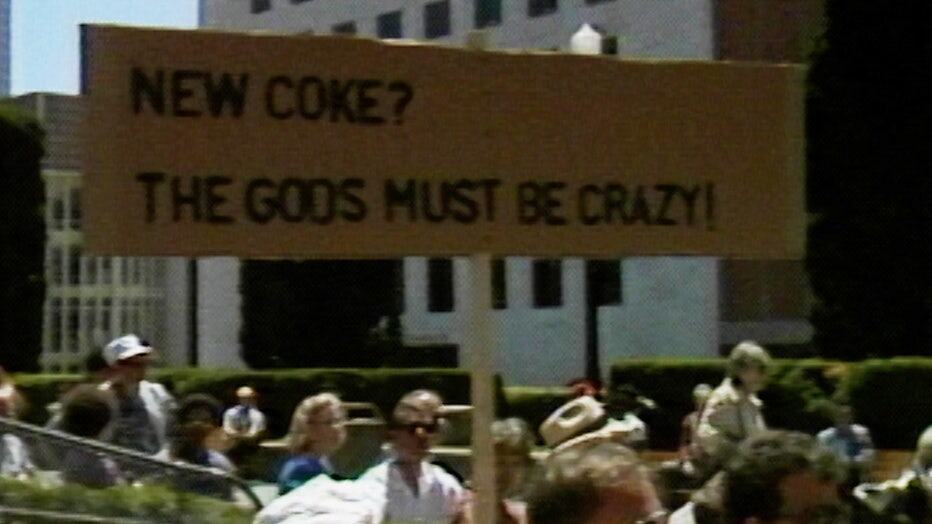
And this is pre-internet. Pre-social media.
Which means people had to work to complain.
They had to look up Coca-Cola’s phone number in a phone book—or call 411 and ask a human operator for it.
Then they had to pick up a phone… or sit down and write an actual letter.
No tagging. No posting. No instant outrage.
Just effort.
So to generate that level of backlash—at a time when complaining wasn’t fast, easy, or frictionless—is no small feat.
In short, it was a fiasco with full national media coverage.
The company was forced to reverse course and bring back the original formula as Coca-Cola Classic – less than 80 days later, at a nationwide press conference.
To their credit, they listened. They adjusted. They gave their customers back what they wanted.
That humility—and responsiveness—is what ultimately preserved the brand.
Same Mistake, Different Industry
In 2012, BioWare, the legendary video game company, made a strikingly similar move.
After building one of the most beloved story-driven franchises in gaming, they delivered an ending that felt disconnected from the very experience players had spent years investing in.
The response was immediate and intense. Fans organized petitions, flooded forums, and made it clear:
This wasn’t what they signed up for.
And yet, the initial response from the studio leaned heavily on the idea of “artistic vision”—that the creators had the right to tell the story as they saw fit.
Which raises an important question:
Art vs. Commerce: Where’s the Line?
If you’re creating purely for art’s sake, you can do whatever you want.
But the moment you enter into commerce—when people are paying for your product—the equation changes.
You’re no longer just an artist.
You’re a business.
And businesses exist in relationship with their customers.
That doesn’t mean audiences dictate every creative decision.
But it does mean that their investment—of time, money, and attention — matters.
Because if the audience stops caring, the business stops working.
The Real Lesson
What Coca-Cola learned—and what many companies still struggle with—is this:
Your customers are not an obstacle to your vision.
They’re the reason your vision matters in the first place.
Ignoring, disrespecting, or abandoning them doesn’t make a brand bold.
It makes it brazen.
Your customers are not just buyers.
They’re part of a larger ecosystem that gives your brand its pulse.
The story.
The culture.
The identity.
The fandom.
The loyalty and passion that turn customers into advocates.
That’s what a brand actually is.
And that’s what’s at risk when companies lose perspective.
This is especially true in celebrity endorsement, where alignment between brand, personality, and audience trust is everything.
The real danger isn’t change.
It’s hubris and disconnection—often fueled by fear.
When brands succeed, they gain confidence.
But over time, that confidence can drift into overconfidence.
Leaders start believing they know better than the audience that got them there.
They stop listening.
They stop observing the foundation they’re standing on.
And then their priorities shift.
Instead of building on their strengths—the elements that fuel their success today—they begin chasing “new markets” in isolation.
Instead of bringing new audiences into a strong, existing ecosystem, they abandon that performing engine to pursue the next big thing.
That shift—from strengthening and expanding what already works to reacting to competitors or some “new trend”—is where brands begin to lose their footing.
Not because they evolved…
but because they lost sight of all the pieces that made them successful in the first place.
Why This Still Matters Today
If anything, this lesson has only become more important.
Today’s audiences are more connected, more vocal, and more empowered than ever.
They don’t just consume. They respond, coordinate, and amplify.
And when they feel ignored or dismissed, they don’t quietly drift away.
They make it known.
We’ve seen this play out across industries — from gaming to film franchises to consumer brands — again and again. Different products. Same mistake. Same outcome: lower revenue, damaged reputations, and eroded trust.
Final Thoughts
Apparently, the New Coke lesson is one successful businesses have to relearn regularly.
As the saying goes: “Dance with the one who brought you.”
The customers that made you are the customers that keep you on top.
The ecosystem that built you—and still fuels you—holds the keys to continued success and future growth.
None of this means brands shouldn’t evolve or pursue new markets.
Growth is good. Expansion is necessary. Reaching new audiences is how businesses scale.
But some brands confuse expansion with replacement.
There’s a difference between evolving your brand…
and abandoning the very components—especially your customers—that built it.
The brands that thrive aren’t the ones that never make mistakes.
They’re the ones that recognize them, adjust quickly, and respect the people who made their success possible.
Whether through storytelling, endorsements, or partnerships, the brands that win are the ones that respect the relationship they’ve built.
Because whether you’re selling soda, games, or stories…
When you forget your audience, they forget you.